
Can Chickens Eat Sesame Seeds? Guide
 By John Walker · Backyard chicken keeper in Dallas, Texas since 2017
Can chickens eat sesame seeds? Yes, chickens can eat sesame seeds in small amounts, and most birds enjoy them, because the seeds are small, easy to peck, and rich in oil. But sesame seeds are about half fat, which makes them one of the richest seeds you can offer, and the oil in them goes rancid quickly, so freshness and portion size matter more than with most treats. This guide explains the nutrition of sesame seeds, the difference between black and white seeds, how much to offer, and how to store them so they stay fresh.
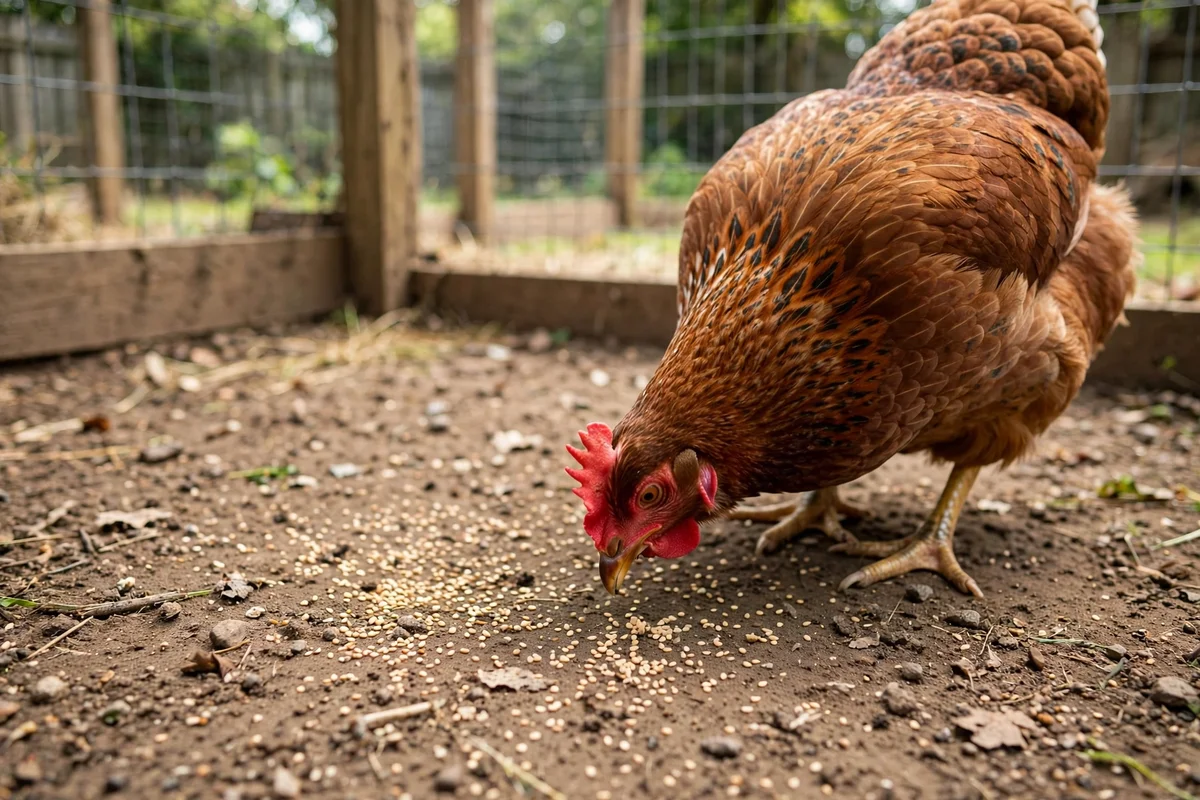
Can chickens eat sesame seeds safely?
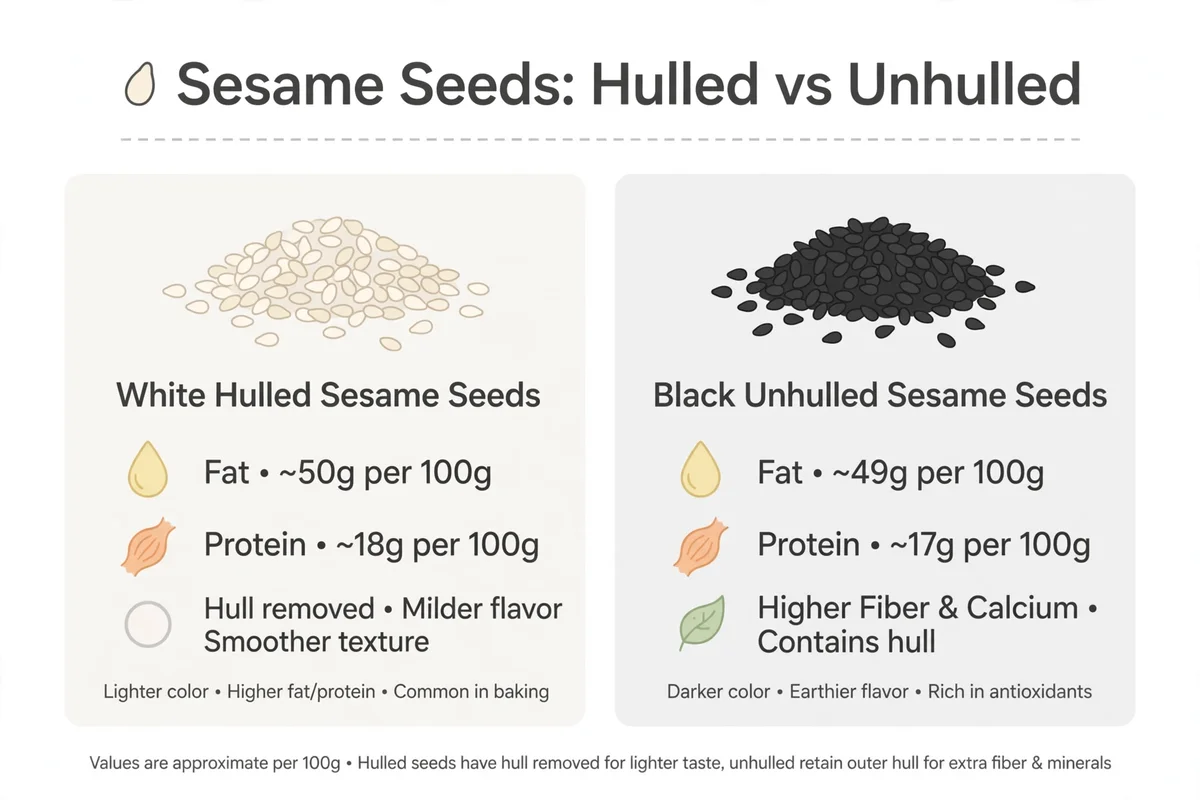
Can chickens eat sesame seeds safely? Yes, sesame seeds are safe for chickens in small amounts, and they are a good source of healthy fats, protein, and minerals such as calcium. Sesame seeds are about 50 percent fat and about 18 percent protein, which makes them a rich food, and a little goes a long way.
A teaspoon or two per bird, once or twice a week, is a sensible amount.
The fat in sesame seeds is the main reason for the limit. Fat gives energy, but too much fat makes birds overweight, and overweight hens lay fewer eggs and are more prone to health problems. A bird that eats a lot of sesame seeds eats less of its balanced feed, and that is where the harm comes from. Treats should make up no more than about a tenth of the daily diet, and sesame seeds are one of the richest treats there is.
Sesame seeds are also small enough to be eaten whole, which makes them easy to offer. Scatter them on the ground or in a shallow dish, and the birds will peck them up happily. There is no need to crush or soak them, and there is no choking risk for adult birds, because the seeds are tiny.
Sesame seed nutrition: fat, protein, and calcium
Sesame seeds are about half fat, and the fat is mostly unsaturated, which is the healthier kind of fat. They are also about 18 percent protein, which is useful during moult, when birds need extra protein to grow new feathers. They contain calcium, which supports eggshell strength, and small amounts of iron, zinc, and B vitamins.
The calcium in sesame seeds is worth a mention, because laying hens need a lot of calcium for strong eggshells. Sesame seeds are not a substitute for oyster shell or a proper layer feed, which are the main sources of calcium, but they add a little extra, and every bit helps. Do not rely on sesame seeds for calcium, but do not ignore the small contribution either.
The high fat content is a double-edged sword. Fat gives energy, which is useful in cold weather, when birds burn more energy to stay warm, but the same fat makes birds overweight in summer, when they are less active. Offer sesame seeds more freely in winter and more sparingly in summer, and watch the birds' weight.
Black vs white sesame seeds
Sesame seeds come in two main types: white, which are hulled, and black, which are unhulled. White sesame seeds have had the outer hull removed, which makes them milder in taste and easier to digest, while black sesame seeds keep the hull, which gives them more fibre, more calcium, and a stronger, nuttier flavour.
Both types are safe for chickens, and the difference is small. Black sesame seeds have a little more calcium and fibre because of the hull, while white sesame seeds are a little easier to digest. Most keepers feed whichever type they have in the kitchen, and the birds eat both happily.
Unhulled seeds of any kind need a little more grit to digest, because the hull is tough, so make sure the flock has access to grit when you offer unhulled seeds. Grit is the small stones that a chicken stores in its gizzard to grind feed, and without grit, tough seeds pass through undigested. A flock that free ranges will pick up grit naturally, but a flock in a run needs a dish of grit.
Rancidity: why sesame seeds go bad fast
The high oil content of sesame seeds means they go rancid quickly, and rancid seeds are not safe for chickens. Rancidity happens when the oil in the seed reacts with air, light, and heat, and it makes the seeds smell stale and taste bitter. Rancid fat can upset a bird's gut and, over time, can cause health problems.
Store sesame seeds in a cool, dark, sealed container, and use them within a few weeks of opening the packet. Do not store them in a warm shed or in a clear jar on a sunny shelf, because heat and light speed up rancidity. If the seeds smell stale, bitter, or like old oil, throw them away and do not feed them to the birds.
Buy sesame seeds in small amounts, so you use them up before they go bad, and check the smell before you offer them. A fresh sesame seed smells mild and nutty, while a rancid one smells sharp and stale. Your nose is the best test, and it is worth using every time.
| Seed type | Fat | Notes for chickens |
|---|---|---|
| White sesame (hulled) | About 50 percent | Milder, easier to digest, most common |
| Black sesame (unhulled) | About 50 percent | More fibre and calcium, stronger flavour |
| Toasted sesame | About 50 percent | Fine in tiny amounts; toasting adds flavour |
| Sesame oil | Almost all fat | Avoid: too concentrated, no need for oil |
| Tahini (sesame paste) | High fat | Avoid: sticky, concentrated, and often salted |
| Rancid sesame seeds | Damaged fat | Do not feed: smell stale and can upset the gut |
Raw vs toasted sesame seeds
Keepers disagree about whether sesame seeds should be raw or toasted, and the difference is small. Raw sesame seeds are the natural form, and they are what most keepers offer, because they are simple and the birds eat them readily. Raw seeds keep their full nutrition, and they are easy to scatter in the run.
Toasted sesame seeds have a stronger, nuttier flavour, and some birds prefer them, but toasting does not add nutrition, and it can reduce some of the vitamins. Toasted seeds are fine in tiny amounts, as long as they are plain and unsalted, but there is no reason to toast them specially for the birds.
The practical answer is that raw is best, because it is simplest and keeps the full nutrition, but toasted is fine if that is what you have. Do not offer sesame seeds that have been salted, sugared, or coated, and do not offer sesame snacks such as sesame bars or sesame candy, which are made for people and are not suitable for chickens.
How much sesame seed can chickens eat?
One to two teaspoons of sesame seeds per bird, once or twice a week, is a sensible amount. That is a small quantity, but sesame seeds are rich, and a little goes a long way. Scatter the seeds on the ground or in a shallow dish, so every bird gets a share.
And do not pile them in one place where the dominant birds will eat them all.
Do not offer sesame seeds every day. A daily handful of a seed that is half fat will add up, and the birds will become overweight over time. Offer them as a weekly treat, and use healthier, lower-fat treats, such as leafy greens, for the rest of the week.
Chicks should not eat sesame seeds. A chick's diet needs to be a proper chick starter feed, and any treat displaces that feed. Wait until birds are at least a few months old before offering sesame seeds, and even then keep the amount tiny. There is no benefit to giving a chick a rich seed, and there is a real risk of upsetting a young gut.
Sesame seeds are also a good way to add variety to the flock's diet without spending much, because a small bag lasts a long time when you offer only a teaspoon or two at a time. Keep the bag sealed and in a cool, dark cupboard, and check the smell before each use. A little care with storage keeps the seeds fresh, and fresh seeds are the only ones worth feeding.
Sources: poultry.extension.org.
Related tools and guides
For more on the same topic, see Can Chickens Eat Sunflower Seeds?.
Frequently asked questions
Can chickens eat sesame seeds?
Yes, chickens can eat sesame seeds in small amounts, such as one to two teaspoons per bird once or twice a week. Sesame seeds are about 50 percent fat and 18 percent protein, so a little goes a long way.
Are black or white sesame seeds better for chickens?
Both are safe. Black sesame seeds are unhulled, so they have more fibre and calcium, while white sesame seeds are hulled and easier to digest. The difference is small, and most keepers feed whichever type they have.
Can chickens eat raw sesame seeds?
Yes, raw sesame seeds are best, because they are simplest and keep their full nutrition. Toasted seeds are fine in tiny amounts if they are plain and unsalted, but there is no need to toast them specially.
Do sesame seeds go bad?
Yes, sesame seeds go rancid quickly because of their high oil content. Store them in a cool, dark, sealed container, use them within a few weeks, and throw them away if they smell stale or bitter.
How much sesame seed can chickens eat?
One to two teaspoons per bird once or twice a week is a sensible amount. Do not offer them daily, because the high fat content can make birds overweight over time.
About the author
John Walker is the founder of PeckCalc and has kept backyard chickens in Dallas, Texas since 2017. He started PeckCalc to give backyard keepers free calculators and guides with every figure traced to a university extension source.