
Pasty Butt in Chicks
 By John Walker · Backyard chicken keeper in Dallas, Texas since 2017
Pasty butt in chicks is droppings stuck to the fluff around the vent, which can block it and stop the chick passing waste. Check every chick daily for the first two weeks, clean a blocked vent gently with warm water, and fix the brooder temperature or hydration that caused it.
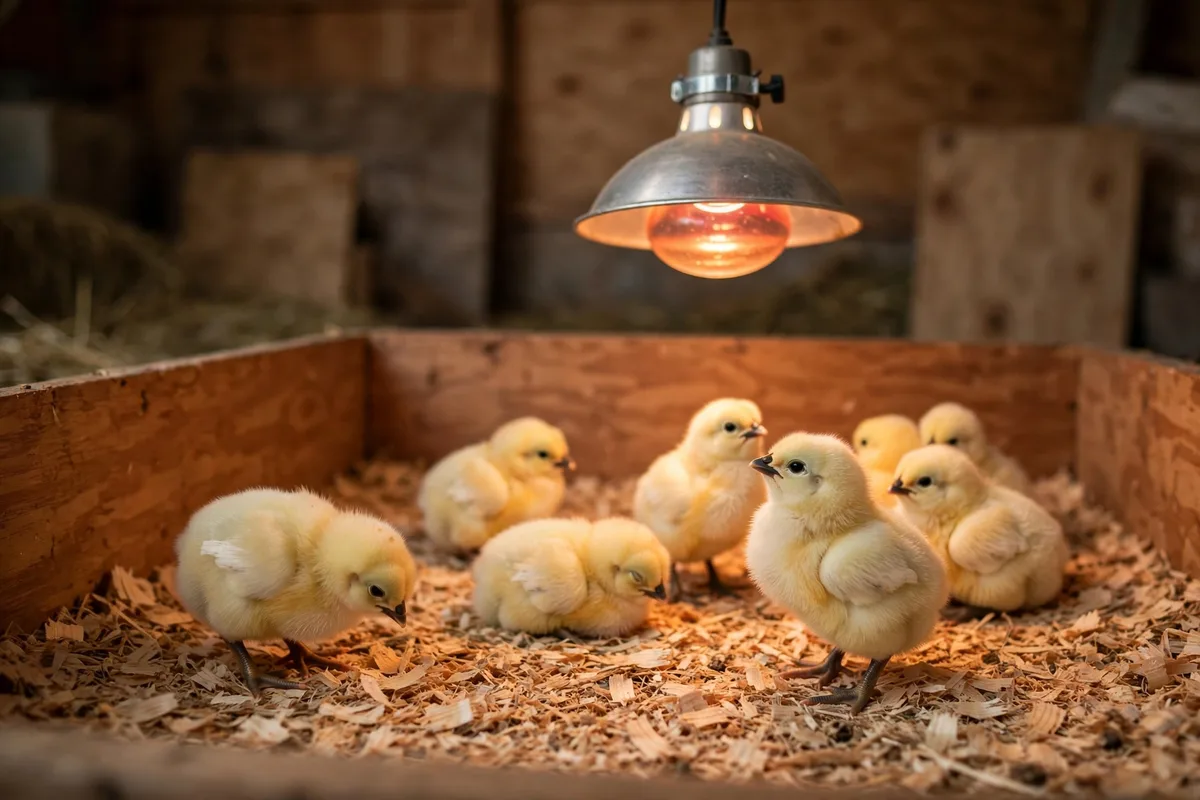
What is pasty butt in chicks?
Pasty butt, also called pasted vent, paste-up or pasting, is what happens when soft droppings stick to the fine down around a chick's vent, dry there, and build up into a crust that can partly or completely block the opening.
It is most common in newly hatched and very young chicks, in the first one to two weeks of life, and most chicks outgrow the susceptibility by two to three weeks old as their digestive systems mature. That timing is no coincidence: the first two weeks are when chicks are adjusting to a new environment, a new diet, transport stress and a brooder temperature they cannot yet control for themselves.
Pasty butt is a sign rather than a single disease. Brooding problems, dehydration, transport stress, feed problems and intestinal disease can all contribute, so cleaning the vent fixes the immediate problem, but preventing it means finding and fixing the underlying cause as well.
What does pasty butt look like?
Look for dried droppings stuck to the fluff around the vent, sometimes a small amount and sometimes a large crusty mass that makes the chick look as if it is carrying a small ornament. The droppings are usually brown, white or yellow, and sometimes feathers are stuck in them. What matters most is whether the vent itself is clear: a little dried dropping on nearby fluff is not the same thing as a blocked vent.
Before you start soaking anything, make sure the crusty spot you are looking at is actually around the vent. Newly hatched chicks also have a healing navel on the lower abdomen, where the yolk sac was drawn into the body before hatch, and that area can look crusty while it is healing. The vent is underneath the tail, the navel is farther down on the abdomen, and you should never pick at the navel.
Other signs that a chick is in trouble include a chick that stands apart from the others, stops eating or drinking, cheeps loudly and continuously, or has a swollen abdomen. A chick with a completely blocked vent can die within 24 to 48 hours, so check every chick daily for the first two weeks and act the same day you find a blockage.
What causes pasty butt in chicks?
The most common cause is a brooder temperature that is wrong. Chicks that are chilled or overheated get off to a poor start, and both extremes can cause loose, sticky droppings that cling to the down instead of dropping away. The brooder should be 95 degrees Fahrenheit in week one, dropping 5 degrees each week, and the chicks themselves are the best thermometer: huddling under the lamp means too cold, spread against the far wall means too hot.
Dehydration is the second major cause, especially in chicks that have been shipped. Chicks are not fed or watered at the hatchery, and they rely on the yolk sac they absorb before hatching for the two to three days it takes to ship them. If a chick eats before it drinks enough water, it may struggle to digest the feed properly, and the droppings become sticky and lead to pasting.
Stress, overcrowding, poor water quality and feed problems all contribute as well. Chicks that are crowded, handled too much, or kept on dirty or damp bedding are more likely to paste up, and intestinal disease can also cause pasty vents in very young poultry. If several chicks in a batch develop pasty butt at once, look at the brooder as a whole rather than at one chick.
How to clean pasty butt safely
Do not pull dried droppings off a chick's skin or down. Pulling can tear the delicate skin, cause bleeding, and make the problem worse, and it is painful for the chick. Instead, use warm water and patience: hold a warm, damp cloth against the dried material, or soak only the dirty vent area in a small container of comfortably warm water, until everything softens.
Work gently and slowly, softening a little at a time and picking the material off with your fingers or a soft cloth once it is loose. Do not dunk the whole chick, because chicks cannot regulate their temperature yet and chilling will make the problem worse. Keep the rest of the chick dry and warm while you work on the vent.
Dry the chick thoroughly afterwards, because a wet chick chills fast, and put it back under the heat lamp to warm up. Apply a tiny amount of petroleum jelly or coconut oil to the vent area to stop the next dropping from sticking, and check the chick again later the same day, because pasty butt often comes back until the underlying cause is fixed.
How to prevent pasty butt
Keep the brooder temperature correct: 95 degrees Fahrenheit in the first week, dropping 5 degrees each week, with a thermometer at chick height and a warm end and a cool end so the chicks can choose. That single measure prevents more pasty butt than anything else, because temperature is the most common trigger.
Make sure every chick drinks before it eats. When chicks arrive, dip each chick's beak gently in lukewarm water so it learns where to drink, and keep the water clean, fresh and easy to reach. Some keepers add electrolytes to the water for the first day or two after transport, following the product label, to help shipped chicks recover. Use the chicken water calculator to check how much water your chicks need.
Keep the brooder dry, clean and uncrowded, with pine shavings as bedding and enough space for the chicks to move away from the heat. Our guide to how to raise baby chicks covers the space, temperature and feed schedule for the first six weeks, and the chick brooder size and heat planner works out the brooder size for your chick count.
Pasty butt vs vent gleet: not the same thing
Pasty butt and vent gleet are often confused, but they are different conditions in different birds. Pasty butt is sticky droppings clogging the vent area of baby chicks, usually in the first one to two weeks of life, and it is treated by gentle cleaning and correcting the brooder. Vent gleet is a fungal or bacterial infection of the cloaca in adult chickens, often triggered by gut imbalance, stress or untreated pasty butt, and it needs different treatment.
Vent gleet in an adult bird shows as a whitish, foul-smelling discharge around the vent, with dirty, matted feathers and sometimes a swollen, red vent. It is not fixed by washing alone, and it needs veterinary advice, because the underlying infection has to be treated. Our guide to vent gleet in chickens covers the adult condition in full.
The connection between the two is that a chick with repeated pasty butt can be more vulnerable to vent problems later, which is one more reason to fix the brooder conditions that cause pasting rather than simply cleaning the vent and moving on.
When to call a vet about pasty butt
Most cases of pasty butt resolve within 24 to 48 hours once the vent is cleaned and the underlying cause is corrected, usually the brooder temperature or hydration. If a chick keeps pasting up despite a correct temperature, clean water and good bedding, or if several chicks in the batch are affected at once, there may be an intestinal disease at work, and a vet should be involved.
Call a vet promptly if a chick is lethargic, will not eat or drink, has a swollen abdomen, has blood in its droppings, or has a vent that is red, swollen or bleeding after cleaning. A chick that is already weak may need more help than cleaning alone, and a vet can advise on whether the problem is coccidiosis or another intestinal disease.
Our guide to coccidiosis in chickens explains the most common intestinal disease in young chicks, including its symptoms and treatment, and it is worth reading if pasty butt keeps coming back in your brooder despite good management.
Pasty butt and feed: what to check
Feed can contribute to pasty butt in two ways. First, if chicks are eating before they drink, the feed is harder to digest and the droppings become sticky, which is why the order matters: water first, then feed, for every chick on arrival day. Second, if the feed is wrong for the age, such as layer feed given to chicks, the extra calcium and the wrong protein level can upset the gut.
Chicks should eat chick starter feed, about 20 percent protein, as a fine crumble, for the first six to eight weeks, and nothing else except water for the first few days. Do not offer treats, scratch grains or greens until the chicks are at least two weeks old, and when you do, provide chick-sized grit at the same time. Our guide to mealworms for chickens explains which treats suit chicks and at what age.
Medicated starter feed, which contains amprolium to help prevent coccidiosis, can also play a role, because some chicks react to it with looser droppings. If pasty butt appears after a feed change, consider whether the change is the trigger, and ask the hatchery whether the chicks were vaccinated against coccidiosis before you choose between medicated and non-medicated feed.
Daily chick checks: a two-minute routine
Checking for pasty butt takes two minutes a day and saves chicks. Pick up each chick, turn it gently, and look at the vent. If it is clean, put the chick back. If there is a small amount of dried dropping on the fluff but the vent is clear, wipe it off with a warm damp cloth. If the vent is blocked, clean it properly, dry the chick, and check the brooder temperature and the water.
Do the check at the same time every day, ideally in the morning, so you build a habit and catch problems early. The first two weeks are the critical period, and after that the chicks' digestive systems mature and the risk drops sharply. Keep checking until three weeks old, then relax to a weekly vent check as part of your normal flock routine.
Keep a small kit beside the brooder for the job: a soft cloth, a small container for warm water, petroleum jelly, and a spare heat source to warm a chilled chick. Having the kit ready means you can act in minutes rather than hunting for supplies while a chick is blocked and getting weaker.
Pasty butt at a glance
Pasty butt is common, it is usually easy to fix, and it is usually preventable, but it can kill a chick within a day or two if it is missed. The three things that matter are daily checks, gentle cleaning with warm water, and fixing the brooder temperature or hydration that caused it.
If you remember one number, remember 95 degrees Fahrenheit in week one, dropping 5 degrees a week, because a correct brooder temperature prevents more pasty butt than any other single measure. If you remember one habit, remember to check every vent every day for the first two weeks.
For the full first-six-weeks routine, including the temperature, space and feed schedule, see our guide to how to raise baby chicks, and for the brooder setup, use the chick brooder size and heat planner.
Sources: the pasty butt guidance on this page — 95 degrees Fahrenheit in week one dropping 5 degrees a week, daily vent checks for the first two weeks, and gentle cleaning with warm water, never pulling dried droppings off dry — reflects extension guidance, including Mississippi State University Extension. For poultry health guidance, see the poultry pages at the University of Minnesota Extension and poultry.extension.org.
Related tools and guides
For more on the same topic, see How to Raise Baby Chicks and Coccidiosis in Chickens.
Frequently asked questions
What is pasty butt in chicks?
Pasty butt is droppings stuck to the fluff around a chick's vent, which dry and build up into a crust that can block the vent. It is most common in the first one to two weeks of life, and a completely blocked vent can kill a chick within 24 to 48 hours.
How do you clean pasty butt on a chick?
Soak the area gently with warm water on a soft cloth until the dried droppings soften, then remove them carefully. Never pull dried droppings off dry, because it can tear the skin. Dry the chick thoroughly afterwards and put it back under the heat.
What causes pasty butt in baby chicks?
The most common causes are a brooder temperature that is too hot or too cold, dehydration after transport, stress, overcrowding and feed problems. Pasty butt is a sign rather than a single disease, so cleaning the vent fixes the immediate problem but the underlying cause needs fixing too.
How can I prevent pasty butt in my chicks?
Keep the brooder at 95 degrees Fahrenheit in week one, dropping 5 degrees each week, make sure every chick drinks before it eats, keep the water clean and the bedding dry, and check every chick's vent daily for the first two weeks.
Is pasty butt the same as vent gleet?
No. Pasty butt is sticky droppings clogging the vent of baby chicks, usually in the first two weeks of life. Vent gleet is a fungal or bacterial infection of the cloaca in adult chickens, and it needs veterinary advice rather than washing alone.
About the author
John Walker is the founder of PeckCalc and has kept backyard chickens in Dallas, Texas since 2017. He started PeckCalc to give backyard keepers free calculators and guides with every figure traced to a university extension source.